


I’ve lived in this body my whole life — but for a long time, I didn’t really understand it.
It was always doing something unexpected. Changing shape. Fluctuating. Rebelling in ways that made me feel out of sync with everyone else.
“You can’t fight your body into peace — you can only care for it there.”
When I was a teenager, I thought it was just bad luck. I blamed stresses of growing up, diet, tiredness, the mysterious “that time of the month” that never seemed to behave like anyone else’s. I’d compare myself to friends and quietly wonder why things were harder for me — why I felt different inside my own skin. 
It wasn’t until much later — after coming off contraception, trying to conceive, and watching my body respond in ways that didn’t make sense — that I started to understand. Or rather, I had to understand.
That’s when I finally got the medical confirmation: PCOS (Polycystic Ovary Syndrome) and Endometrioses.
A diagnose that explained years of confusion, exhaustion, frustration, and self-blame.
I remember leaving that appointment feeling two things at once — relief, because there was finally a name for it; and grief, because I realised it had been there all along. I’d just been living with it quietly, thinking it was me. I had successful surgery in December 2021 under the care of an incredible surgeon, Mr Andrew Pickersgill. Always grateful.
PCOS however doesn’t have an option for a ‘fix’ as such. There’s something disorienting about finding out your body has been writing its own story in a language you didn’t understand. You replay the years — the symptoms, the insecurities, the times you thought you were just “bad at being a woman.” And suddenly it all fits.
The truth is, I’ve never had a static relationship with my body. It’s always shifting.
Hormones, fertility, pregnancy, postpartum, healing — it’s a cycle of change I didn’t sign up for but had to learn to live with. Some days it feels like resilience. Other days, like betrayal.
PCOS can be cruelly quiet — invisible to everyone else, but loud in your own head. It’s the bloating that makes clothes fit differently by evening. The exhaustion that hits out of nowhere. The monthly disappointment that weighs more than it should. The unpredictable moods that make you feel like you’re chasing yourself through fog.
Some days, I fight it. I eat the “right” foods, take the supplements, do the things that are supposed to help. Other days, I give in. I curl up with a biscuit and let myself be tired without guilt. I’m learning that this isn’t weakness — it’s balance. It’s learning the rhythm of your own body, even when it doesn’t play the song you’d choose.
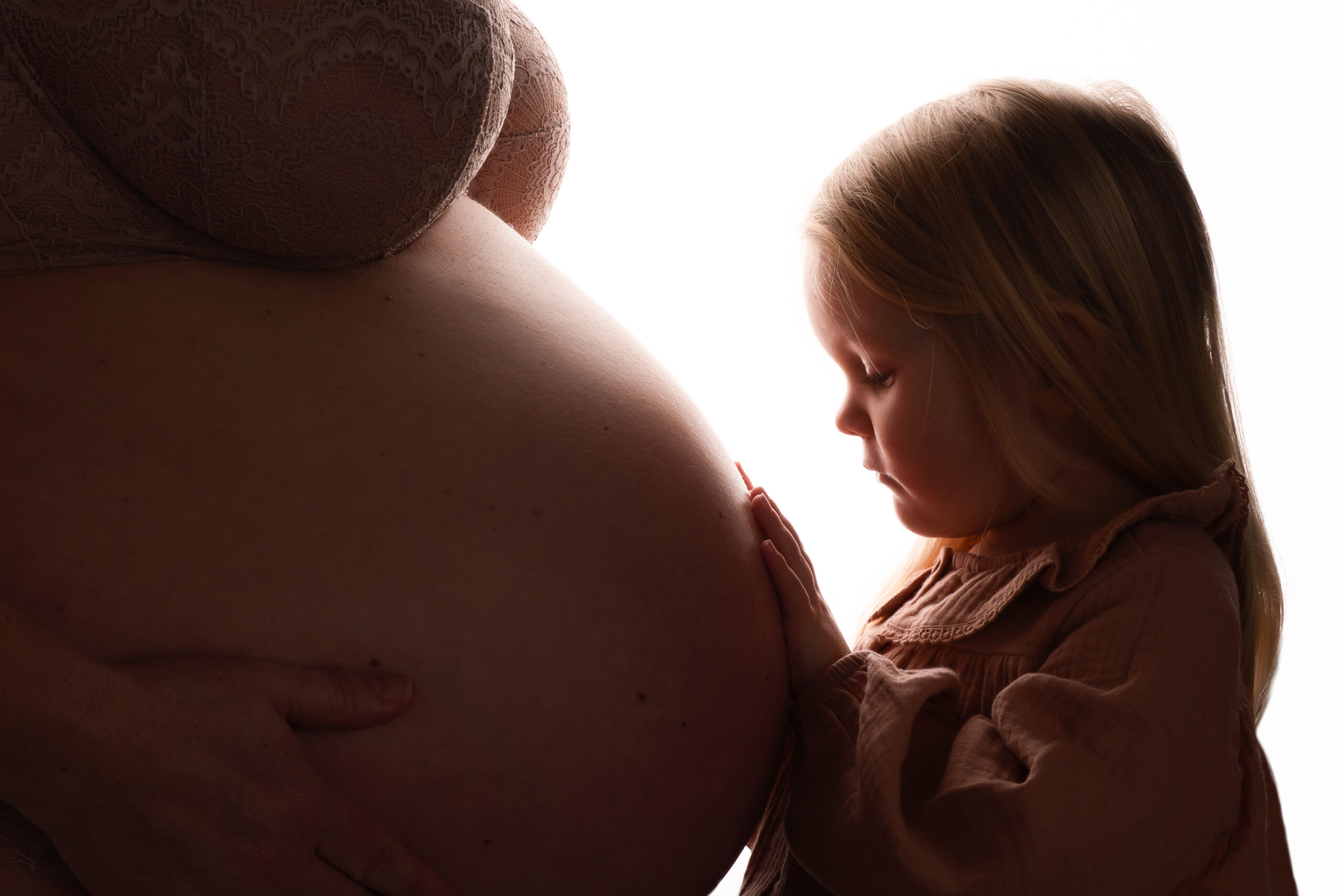
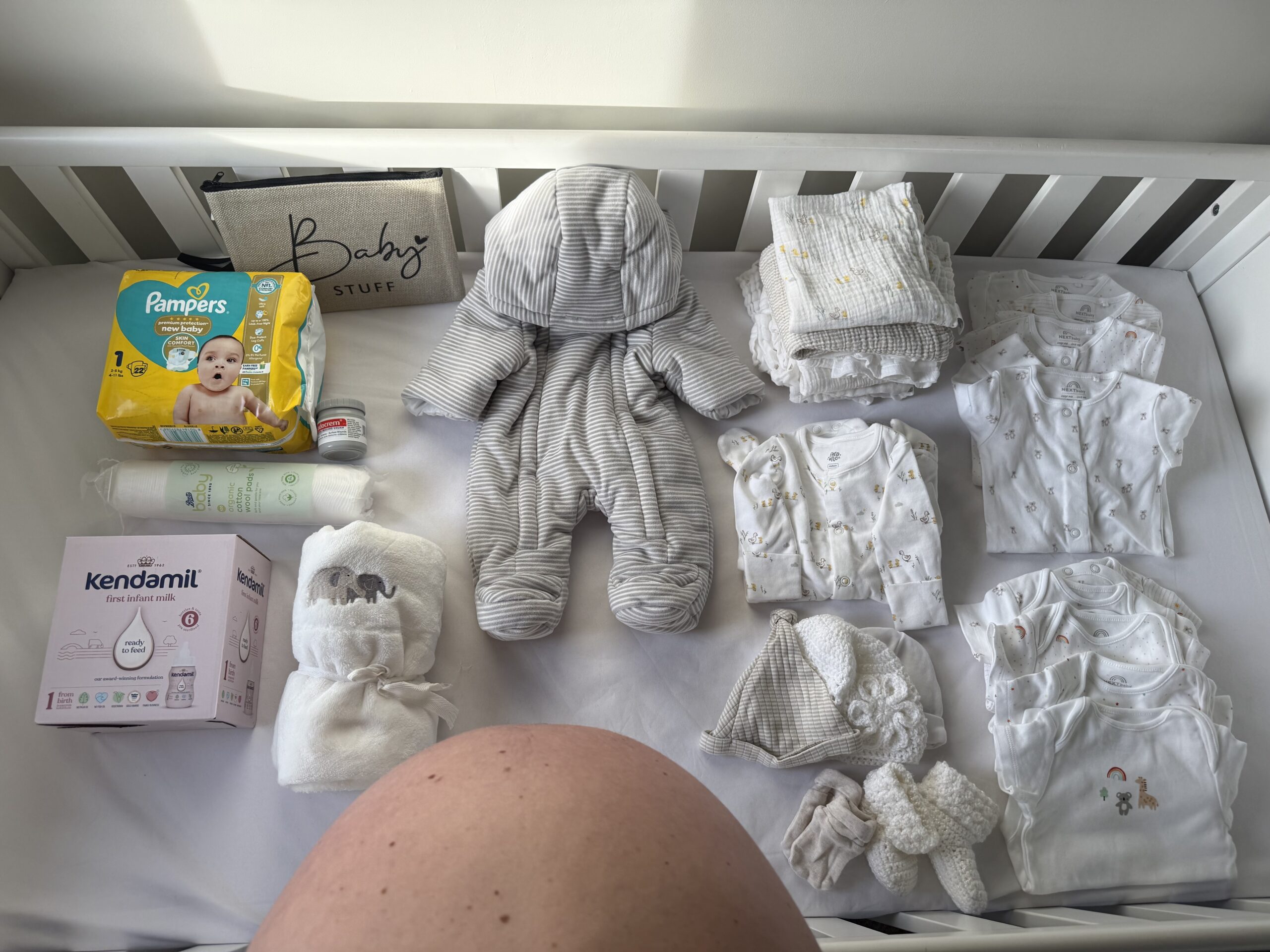
Pregnancy and postpartum added another layer — the physical and emotional unravelling that happens when your body has carried life and then has to remember who you are again. The stretch marks, the new shapes, the hormones that keep rewriting the rules.
It’s humbling, honestly.
To realise you can’t diet, plan, or willpower your way out of your biology.
You can only meet it where it is — gently.
And maybe that’s what this journey has really been about: learning to meet myself where I am.
I used to think “acceptance” meant loving every inch of my body all the time — but now I think it’s something softer. It’s knowing that I don’t have to love it to care for it. I just have to stay on my own side.
Because this body — even when it’s unpredictable, heavy, bloated, tired — is still home.
It’s the home that’s carried me through the hardest years. The home that created life. The home that keeps adapting, even when I wish it wouldn’t.
And I’m still learning her. Still figuring out what helps, what hurts, what soothes. It’s a relationship that never really settles — but maybe it’s not meant to. Maybe understanding your body isn’t a destination. Maybe it’s a lifelong conversation.
Some days I look in the mirror and feel strong — other days I feel tender. But both versions are me. Both deserve kindness.
Because you can’t fight your body into peace.
You can only care for it there.
And so, I do — imperfectly, quietly, and still learning.
After all, this body and I have a lot of history.
And we’re still finding our rhythm together.


Author’s Note:
If any of this feels familiar — if you’ve ever sat there wondering why your body won’t just cooperate — please know you’re not alone in it. PCOS, hormones, postpartum changes… they’re not one-time events. They’re threads that weave quietly through our lives, sometimes stronger, sometimes softer, but always there in the background.
This won’t be the only time we talk about it here. Because it’s not something you “fix” and move on from — it’s something you live with, learn from, and keep learning about. Some days it feels heavy, and other days it feels like understanding. Both matter. I had recently worked with a knowledgeable coach, look him up on Instragram if you are looking for some help along the way @_greglock , I believe our work together allowed myself and husband to fall pregnant naturally (and actually unexpectedly!) after our first journey to conception.
I’ll be sharing more about the ups, downs, and the things that actually help — physically and emotionally — as I keep figuring it out myself.
Until then, be gentle with yourself. You’re doing better than you think — and your body, even when it feels unpredictable, is still doing its best for you too.


